Service 04 / Denver & Front Range
Commercial Asphalt Maintenance, Crack Sealing & Sealcoating in Colorado
Serving Denver, the Front Range, and Northern Colorado. Small cracks become bigger pavement failures when water reaches the base and freezes. Timely crack sealing closes those openings; sealcoating adds a uniform protective wearing layer to suitable asphalt.
Why it matters
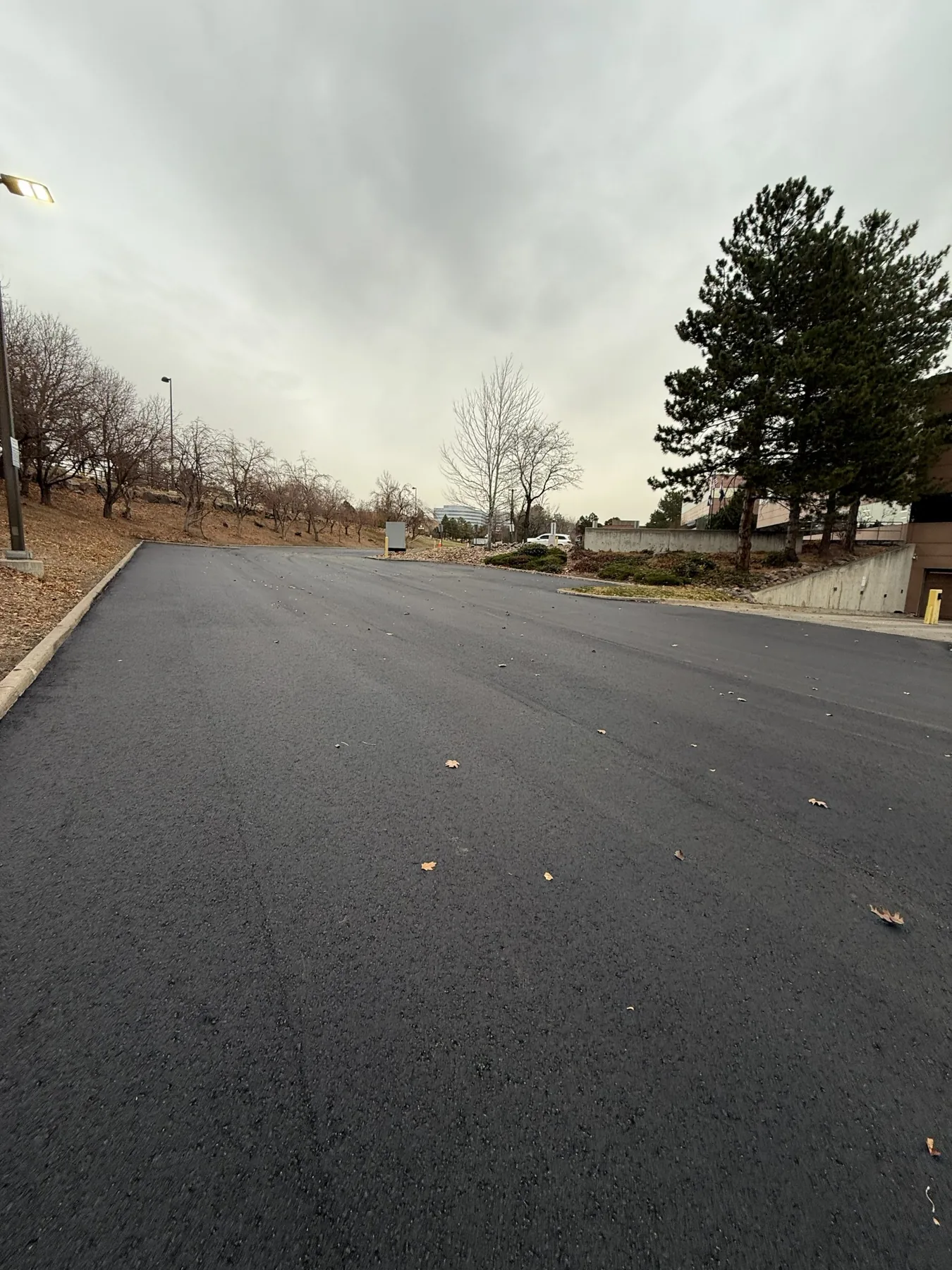
A strong surface is a system—not just a top layer
For a Denver property, explore Denver sealcoating and request a free site visit.
Reduce water intrusion
Slow oxidation and surface wear
Create a clean, dark, uniform finish
Support a practical maintenance cycle
Commercial preservation
Parking Lot Sealcoating
Before coating, damaged areas should be repaired, appropriate cracks sealed, and the lot cleaned so the material can bond evenly.
Commercial schedules also need cure time, phased closures, traffic routing, and restriping coordinated before work begins. MD Asphalt helps Denver and Front Range property teams time sealcoat applications around pavement age, traffic, prior maintenance, operating windows, and the seasonal conditions required for a reliable finish.
Plan maintenance by condition
What belongs in a parking lot maintenance plan?
Crack sealing, sealcoating, patching, and striping serve different purposes. Agree on the sequence and work areas before closing the lot. Keep photos, completed repair locations, material information, and reopening instructions with the property records so the next review can account for earlier work.
Ask MD Asphalt to discuss maintenance priorities alongside tenant hours, delivery access, and budget dates. A treatment schedule should follow the site condition and application requirements; it should not assume that every property needs the same coating or the same interval between visits.
Choose the right treatment
Crack Sealing and Surface Maintenance Serve Different Jobs
Crack sealing treats suitable openings in asphalt pavement. Sealcoating treats the broader surface. Neither process rebuilds a failed base or fills a pothole. If a lot has broken areas, loose material, or repeated settlement, have those conditions assessed before choosing a coating for appearance alone.
Crack filler is a broad product label, not a complete repair specification. Ask how the cracks will be prepared, what material is proposed, and whether the condition and movement of the crack suit that treatment. Closely spaced cracking in a failing area may need a patch instead. The condition of the pavement should guide the choice.
Plan the maintenance sequence before closing the lot. Confirm repairs, cleaning, crack treatment, coating, and restriping where each is needed. Tell the team about entrances, deliveries, and tenant hours. Weather and product requirements affect the work window and reopening time. Keep the written care instructions so later maintenance decisions can account for what was applied and when.
When to call
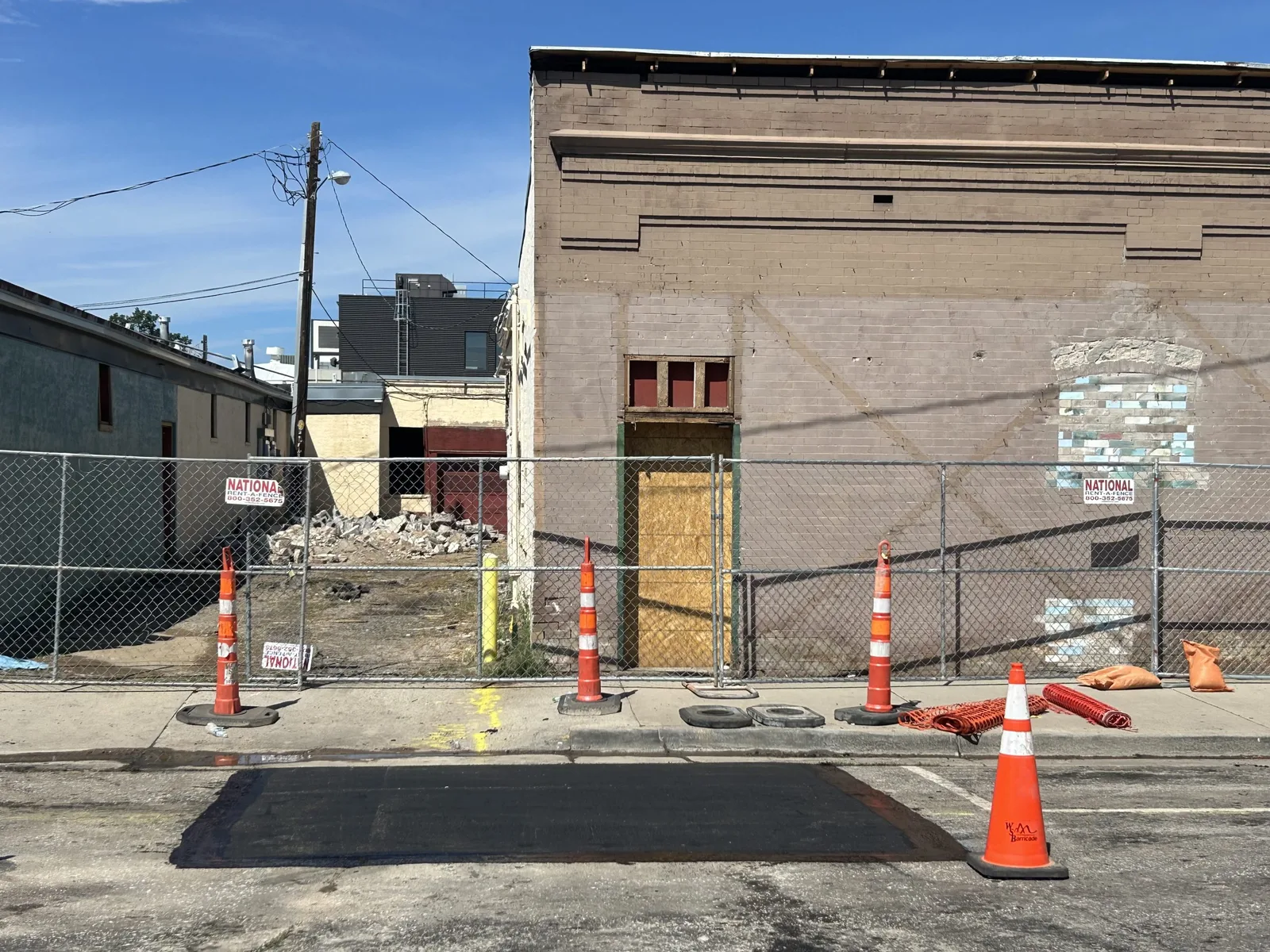
Watch for these surface signals
- Open linear cracks
- Gray, dry, or weathered asphalt
- A sound surface due for maintenance
- Fading after multiple Colorado seasons
The work
A controlled process and a clean result
We confirm access, surface conditions, and sequence before the crew starts so the site knows what to expect.
Clean
The surface and cracks are cleared of loose material and debris.
Seal
Appropriate cracks are filled to limit water entry and movement.
Protect
Sealcoat is applied evenly when surface conditions are suitable.
Common questions
Know before you schedule
01When should asphalt be sealcoated?+
The right interval depends on pavement age, traffic, exposure, and prior maintenance. We inspect the surface first because sealcoat is not a fix for structural failure.
02Will sealcoat repair potholes?+
No. Potholes and failed areas should be repaired before sealcoating. Sealcoat is a protective surface treatment, not a structural patch.
Colorado service coverage
Sealcoating & Crack Sealing for Denver & Front Range properties
MD Asphalt coordinates sealcoating & crack sealing from Fort Lupton for Denver Metro properties and the surrounding Front Range. Review coverage in Frederick, Longmont, Boulder, and Northern Colorado.
Include the property address, photos of the pavement, traffic needs, and target schedule when requesting an assessment. Location, scope, surface condition, and work windows help determine the project plan.
Explore our Colorado service-area guide or review commercial project planning for parking lots, shared roads, and active facilities. Projects outside the listed areas require coverage confirmation.
Start your project
Ready to talk sealcoating & crack sealing?
Tell us what you’re seeing. We’ll help identify the right next step for your property.