
Commercial asphalt and concrete
Commercial Paving & Parking Lot Contractors in Colorado
Serving Denver, the Front Range, and Northern Colorado. Parking lot construction, mill and overlay, full-depth repair, preventive maintenance, concrete, and striping planned around safety, traffic, procurement, and uptime.
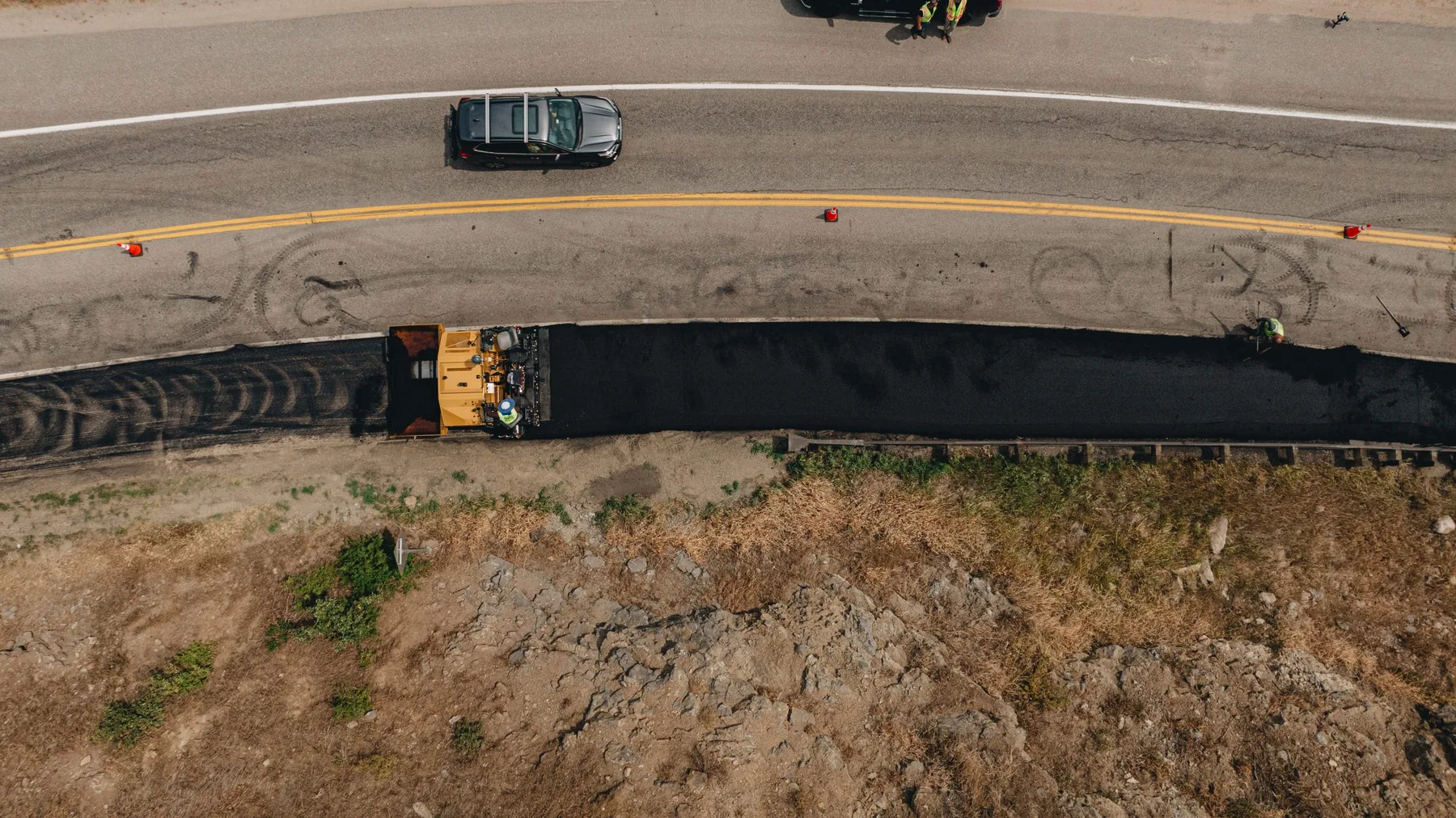
Commercial-first positioning
What should a commercial pavement contractor manage?
MD Asphalt Co. delivers asphalt and concrete solutions across Colorado's Front Range. Commercial scopes include parking lot construction, mill and overlay, full-depth patching, preventive maintenance programs, concrete site work, line striping, wheel stops, and seasonal snow support.
Property managers need predictable access and documentation. HOA boards need a board-ready plan that separates urgent repairs from work that can be phased. General contractors need a subcontractor who can coordinate with the site schedule. Municipal, school, industrial, and retail teams need durable work without losing control of traffic and daily operations.
Commercial buyers also need proof of scale before inviting a contractor to bid. Review full-lot project photos, active crew and equipment images, milling work, finished striping, concrete transitions, and before-and-after surface conditions. Those examples show whether a contractor can manage large work zones, multiple surface types, coordinated phases, and the finish details visible after reopening. See MD Asphalt's commercial project gallery.
Planned preservation
Parking Lot Maintenance Programs
A parking lot maintenance program gives property teams a repeatable way to inspect conditions, control water entry, address isolated failures, and keep markings visible before small problems become capital emergencies. The right annual plan does not apply the same treatment everywhere. It separates potholes and failed base that need repair from sound pavement that can benefit from crack sealing, sealcoating, and fresh striping. MD Asphalt organizes maintenance priorities by condition, traffic, access, budget cycle, and operating window, then phase the work across Denver and Front Range properties. The result is a clearer yearly budget, fewer surprise closures, and a documented path toward future resurfacing or replacement.
Buyer and property fit
Which Colorado properties benefit from a pavement program?
| Buyer type | Typical pavement need | Planning priority |
|---|---|---|
| Property management companies ↗ | Parking lot maintenance programs, mill and overlay, repairs, and striping | Portfolio consistency, tenant access, and staged budgets |
| HOA boards ↗ | Overlay planning, crack-fill programs, sealcoat schedules, and phased budgets | Reserve planning, resident access, and clear phasing |
| Municipalities and government ↗ | Pothole repair, preventive maintenance, road work, and public-site access | Procurement, public access, traffic control, and documentation |
| General contractors ↗ | Asphalt and concrete subcontract scopes coordinated with larger builds | Schedule coordination, submittals, site readiness, and trade sequencing |
| Industrial and warehouse facilities ↗ | Heavy-use pavement, loading areas, dumpster pads, and concrete slabs | Heavy-use areas, loading access, drainage, and durable transitions |
| Retail and commercial developers ↗ | New parking layouts, paving, curb and gutter, concrete, and striping | Layout, curb lines, traffic flow, opening dates, and finish quality |
| School districts ↗ | Lot resurfacing, traffic markings, stenciling, and accessible routes | Bus and parent traffic, summer scheduling, visible markings, and accessible routes |
High-value commercial scopes
Which pavement scope fits the condition of the site?
| Commercial scope | Best fit | Why it matters |
|---|---|---|
| Mill and overlay ↗ | Worn lots with a serviceable base | Resurfaces large areas while preserving suitable structure |
| New parking lots and layouts ↗ | Ground-up commercial sites and expansions | Coordinates grading, paving, traffic flow, striping, and stops |
| Remove and replace ↗ | Widespread base or structural failure | Rebuilds failed pavement instead of covering the problem |
| Preventive maintenance programs ↗ | Property portfolios, HOAs, schools, and active facilities | Turns crack sealing, sealcoat, repairs, and striping into a planned cycle |
| Infrared and full-depth patching ↗ | Isolated failures, potholes, seams, and utility areas | Targets damaged sections before failure spreads |
| Striping and stenciling ↗ | New, resurfaced, or reconfigured parking areas | Restores organized traffic flow, stalls, and visible markings |
| Concrete site work ↗ | Dumpster pads, slabs, curbs, gutters, sidewalks, and transitions | Keeps concrete and asphalt elevations coordinated under one scope |
Operational planning
How should paving work around an active property?
A large site may need phased work so one area remains in service. A school may need work aligned with calendar windows. An industrial facility may need loading access protected throughout the project. Retail teams may prioritize customer circulation and visible temporary routing. Those constraints shape the plan.
Bid-ready scope
What should a commercial paving proposal make clear?
Existing condition
Document visible failures, drainage behavior, adjoining concrete, elevations, traffic patterns, and the areas included in the recommendation. This gives decision makers a shared record of what the contractor observed before pricing.
Scope boundaries
Separate milling, demolition, base correction, asphalt placement, concrete, striping, wheel stops, traffic control, and cleanup. Clear boundaries reduce change-order confusion and make competing proposals easier to compare.
Operations plan
State the anticipated phases, closure areas, site access needs, sequencing, material or weather dependencies, and reopening expectations. The property team can then coordinate tenants, staff, vendors, buses, deliveries, or public traffic.
Future priorities
Identify work that is urgent, work that can be phased, and maintenance that should follow after completion. This turns one project into a defensible pavement plan instead of an isolated transaction.
Commercial capability
One accountable crew for the whole pavement plan
Lead with the high-value work, then connect repair and maintenance to the condition of the asset.
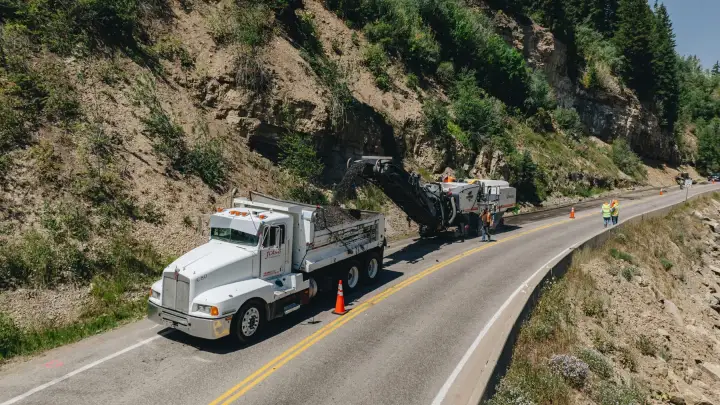
Asphalt Milling
Precision surface removal that prepares worn pavement for a smooth, properly graded overlay.
Explore service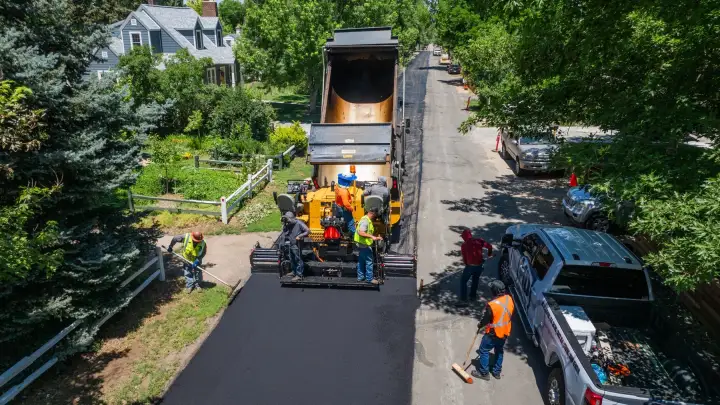
Asphalt Paving & Parking Lots
New parking lots, access roads, roadways, and high-traffic surfaces built for everyday performance.
Explore service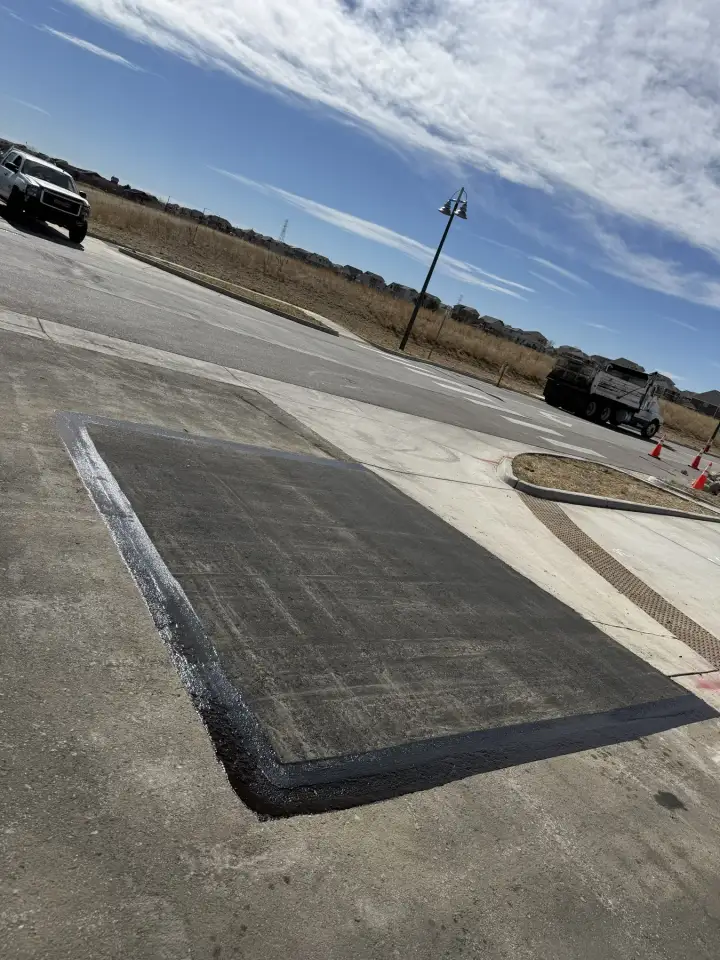
Asphalt Patching & Repairs
Targeted pothole, crack, and surface-failure repairs that restore safety and extend pavement life.
Explore service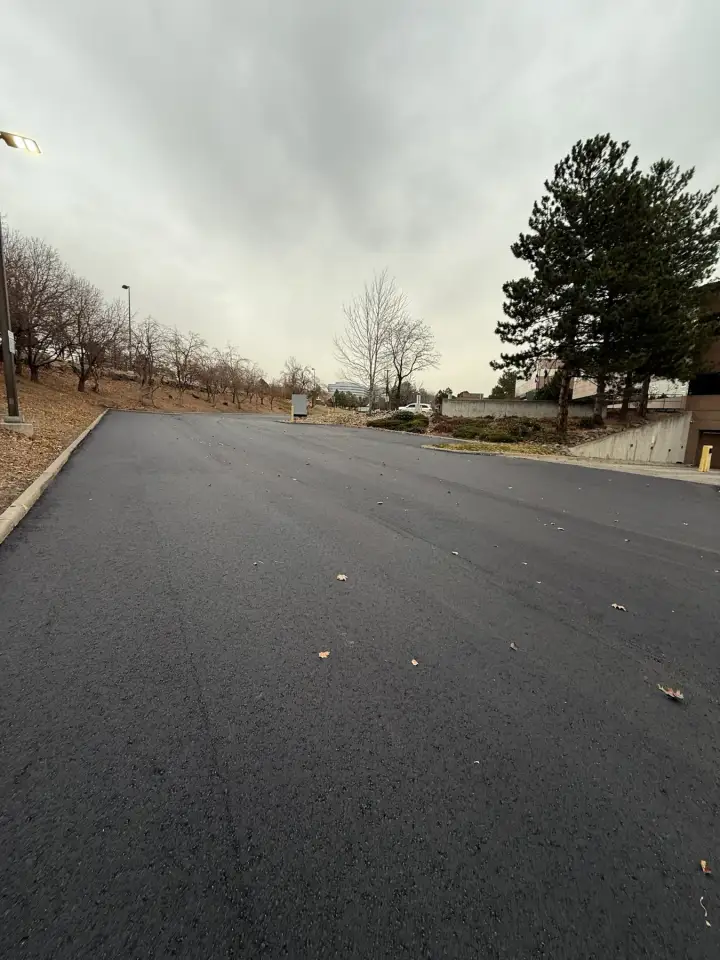
Sealcoating & Crack Sealing
Preventive maintenance that limits water intrusion and refreshes the surface of sound asphalt.
Explore service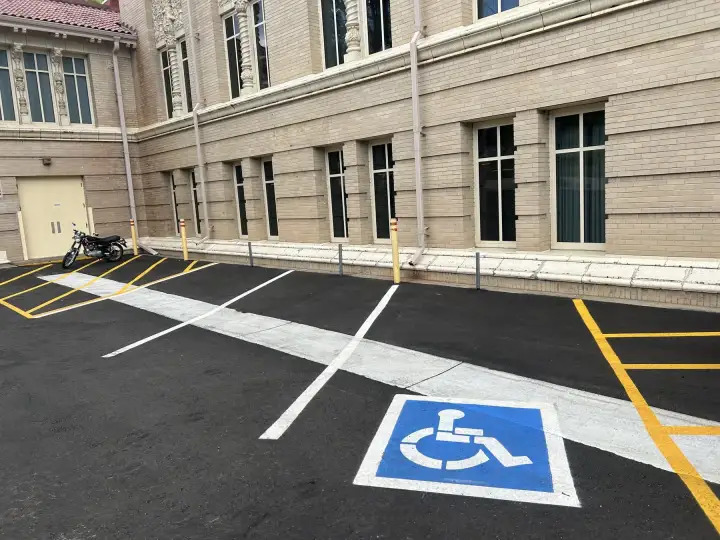
Parking Lot Striping
Crisp traffic markings that improve parking efficiency, direction, visibility, and site safety.
Explore service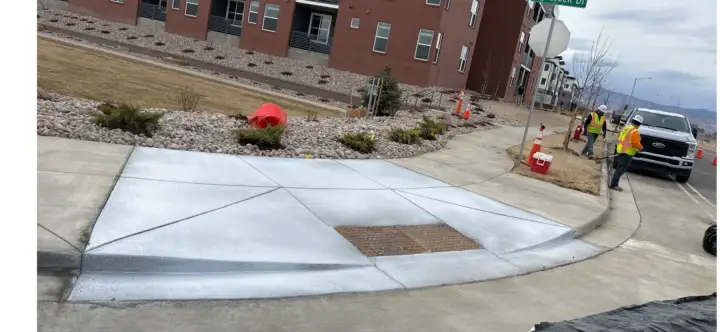
Concrete Flatwork & Curbs
Durable concrete flatwork and transitions that complete asphalt and site-access projects.
Explore service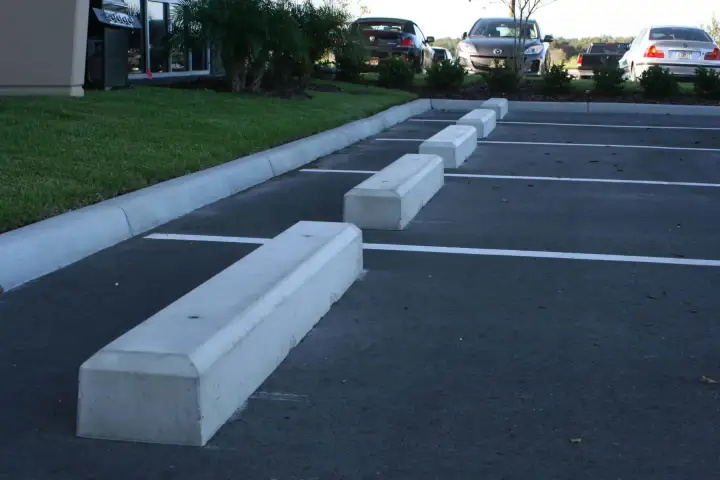
Wheel Stops & Parking Blocks
Wheel stops for parking lots, garages, and controlled parking areas, installed with clean alignment.
Explore service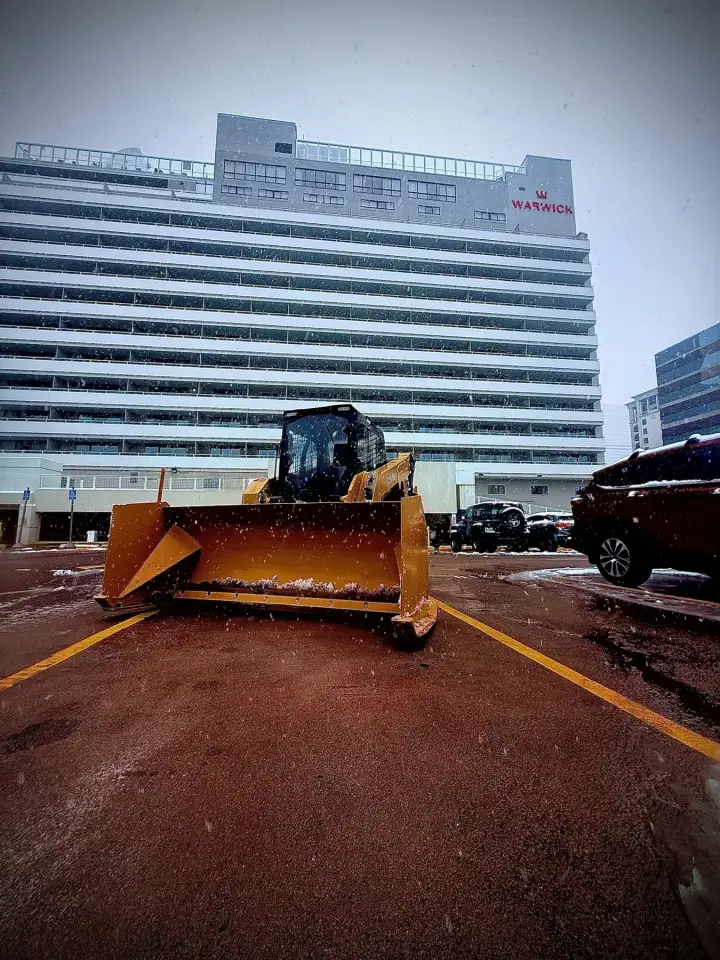
Commercial Snow Removal
Seasonal clearing for commercial lots and access routes to keep Colorado properties moving.
Explore servicePreventive maintenance programs
What belongs in a commercial pavement maintenance cycle?
- 01
Document the site
Review paved areas, concrete transitions, drainage behavior, traffic patterns, markings, and known problem locations.
- 02
Separate repair from preservation
Full-depth failures and potholes require repair. Sound asphalt may be a candidate for crack sealing or sealcoat. Worn surfaces with a stable base may support mill and overlay.
- 03
Prioritize by risk and operations
Address access, trip or traffic concerns, water entry, loading areas, emergency routes, and high-use zones before cosmetic improvements.
- 04
Build a phased budget
Group immediate work, near-term maintenance, and larger capital projects so decision makers can compare urgency, disruption, and expected value.
- 05
Coordinate the finish
Sequence paving, coating, concrete, striping, stenciling, signs, and wheel stops so the property reopens with an organized traffic plan.
Commercial project FAQ
What do property teams ask before requesting a bid?
Clear answers make it easier to compare scopes, prepare procurement, and avoid under-scoped proposals.
01Do you handle commercial parking lots?+
Yes. MD Asphalt Co. handles new parking lots, mill and overlay, full-depth repair, preventive maintenance, striping, concrete transitions, and snow support for commercial properties.
02Do you offer pavement maintenance programs?+
Yes. We can organize inspections, crack sealing, sealcoating, targeted repair, and striping into a practical maintenance plan based on site condition, traffic, budget, and operating schedule.
03Do you work as a subcontractor for general contractors?+
Yes. MD Asphalt Co. can coordinate asphalt and concrete scopes with general contractors, developers, site teams, and other trades on larger builds.
04Are you licensed and insured for commercial work?+
Yes. MD Asphalt Co. is licensed and insured. Project-specific documentation and procurement requirements can be reviewed during the bidding process.
05What is the difference between milling and repaving?+
Milling removes a controlled depth of existing asphalt. Repaving places new asphalt. Milling is often the preparation step before an overlay when the base can remain in service. Read the mill-and-overlay explanation.
Start your project
Put a commercial pavement plan in front of your property
Send the location, property type, current condition, operating constraints, procurement timeline, and photos. We’ll help shape a clear scope and sequence.